

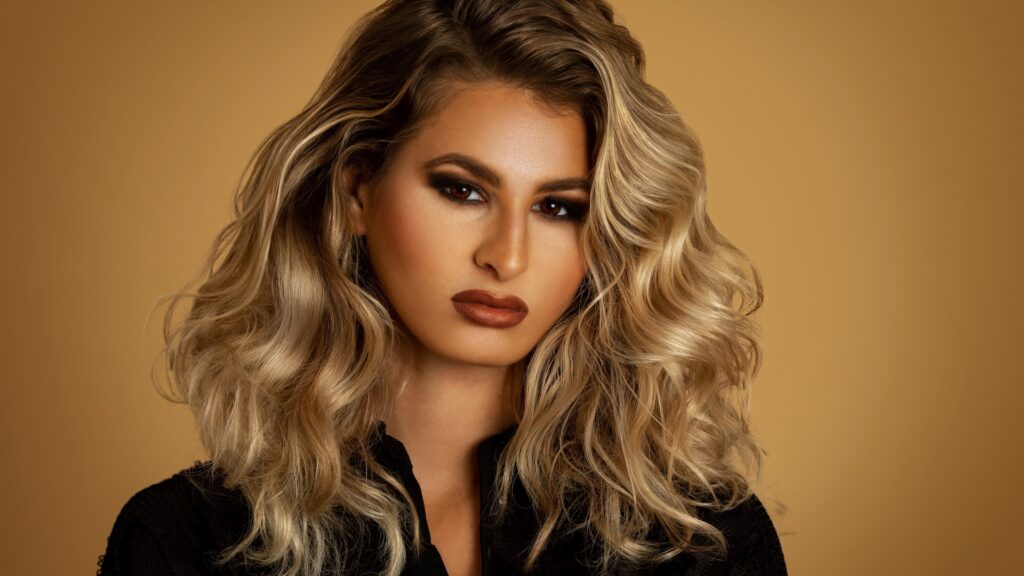
Entering the modeling industry requires a definitive business card, which comes in the form of a professional modeling portfolio. A portfolio is not merely a collection of attractive photographs; it is a highly curated marketing tool that demonstrates a model’s range, adaptability, and technical capability to casting directors, bookers, and prospective clients.
Building a portfolio from scratch can feel overwhelming when you do not yet have agency representation or professional industry connections. However, by understanding exactly what industry decision-makers look for, you can systematically construct a book that commands attention, showcases your unique strengths, and opens doors to professional opportunities.
Define Your Modeling Direction and Market Niche
Before booking photographers or selecting wardrobe pieces, you must identify your specific category within the modeling landscape. The industry is highly segmented, and different niches require completely different visual presentations in a portfolio.
-
High Fashion and Editorial Modeling: This sector focuses on artistic expression, avant-garde styling, and high-end designer concepts. Portfolios in this category prioritize strong facial structure, dramatic expressions, unusual posing angles, and a high degree of artistic storytelling.
-
Commercial and Print Modeling: This market is consumer-focused, representing everyday brands, skincare, lifestyle products, and corporate advertisements. A commercial portfolio needs to radiate approachability, warmth, and relatable charm, emphasizing clean skin and bright, friendly smiles.
-
Fitness and Athletic Modeling: Focusing on sportswear, wellness brands, and athletic gear, this niche requires images that highlight muscle tone, physical endurance, and active movement.
-
Parts Modeling: This highly specialized area focuses strictly on specific physical features such as hands, feet, hair, or eyes. The portfolio must demonstrate flawless preservation and detailed control of those specific anatomy parts.
The Foundation: Mastering Your Digitals or Polaroids
The absolute bedrock of any professional portfolio is a set of clean, unedited photographs known in the industry as digitals or polaroids. Agencies and casting directors look at these images first because they want to see the model’s true, unaltered physical baseline before any styling, makeup, or digital manipulation takes place.
To shoot proper digitals at home, find a space with abundant, soft natural window light and a completely plain white or neutral gray wall. Wear form-fitting clothing that clearly outlines your body structure, such as a plain black tank top or t-shirt paired with fitted denim jeans or leggings. Keep your hair pulled back cleanly away from your face, and wear absolutely no makeup or jewelry.
Your digitals collection must include four essential frames: a direct headshot looking into the camera, a left profile headshot, a right profile headshot, and a clear full-body shot. Avoid complex modeling poses or intense expressions during this process; focus on maintaining clean posture and a neutral, relaxed facial demeanor.
Structuring the Core Portfolio Images
A standard professional print or digital book typically contains between 10 and 20 high-caliber images. When building from the ground up, aim for a tight curation of six to eight distinct looks rather than filling pages with repetitive variations of the same setup. Your structured portfolio should flow logically through specific styles of imagery.
The Beauty Shot or Clean Headshot
Following your basic digitals, the first official page of a creative portfolio should feature a high-quality beauty headshot. This image uses soft studio lighting to emphasize facial features, bone structure, and skin clarity. Makeup should remain minimal and natural. The goal is to show how well your face captures light and holds the camera’s gaze from a tight frame perspective.
The Commercial Lifestyle Frame
Clients need to see how you interact with a commercial environment. This shot should depict you smiling, laughing, or moving naturally in casual wear, such as an everyday sweater or casual jacket. The lighting should feel bright and natural, conveying a believable sense of personality, happiness, and customer appeal.
The High Fashion Editorial Look
Even if you primarily target commercial markets, including at least one dramatic editorial shot shows range. Work with a photographer to create an image with graphic shadows, unique fashion styling, or an unconventional pose. This image demonstrates your understanding of clothing movement, fabric lines, and high-concept visual structure.
The Full-Body Wardrobe Movement Shot
This frame showcases your body proportions while wearing structured clothing, such as a tailored suit, high-end evening wear, or premium athletic apparel. The focus here is on body lines, elongation, and demonstrating how you carry garments naturally while maintaining clean physical angles.
Collaborating Through Test Shoots and TFP
Building a professional book requires working with skilled photographers, but hiring high-end professionals can be incredibly expensive when starting out. The most effective way to bypass this financial barrier is through a industry practice known as Trade for Print or Time for Photos.
TFP is a mutually beneficial collaboration where up-and-coming models, photographers, makeup artists, and wardrobe stylists unite to create content without exchanging money. Every participant contributes their unique skills, and in return, everyone receives the high-resolution digital files to populate their respective professional portfolios.
Look for local photographers who are looking to expand their own portfolios or experiment with new lighting techniques. Ensure you thoroughly review their previous work to confirm their aesthetic aligns with professional industry standards, and always prioritize personal safety by bringing a trusted friend or family member along to any independent shoot locations.
The Art of Final Image Culling and Layout
The ultimate impact of your portfolio rests entirely on the quality of your editing choices during the final curation phase. A critical industry rule to remember is that a portfolio is only as strong as its weakest photograph. It is infinitely better to have a compact book of eight breathtaking, flawless images than a book of twenty photos where five are mediocre.
Remove any images that feature repetitive clothing options, identical facial expressions, or highly similar background locations. Your layout should tell an intriguing visual story as someone flips through the pages. Place your absolute strongest, most striking image on the opening page to capture immediate interest, and place your second-strongest photograph on the final page to leave a lasting, professional impression.
Frequently Asked Questions
Is it necessary to pay a professional modeling school to build a portfolio?
No, paying for modeling schools or expensive training academies is completely unnecessary and often considered a red flag by major agencies. Legitimate modeling agencies look for natural potential and prefer raw, clean digitals over heavily staged, expensive school portraits. Posing, runway walking, and industry protocols are best learned through self-study, studying professional fashion magazines, and gaining practical experience on real, collaborative sets.
Should I print a physical portfolio book or rely entirely on a digital version?
In the modern modeling landscape, a digital portfolio is your primary tool for initial submissions, email pitches, and social media networking. However, if you are attending open casting calls or meeting with agency bookers in person, possessing a high-quality, physical portfolio book containing professionally printed 8×10 or 9×12 images remains highly advantageous, as it demonstrates professionalism and respect for traditional industry standards.
How often should an active model update their portfolio images?
You should update your portfolio whenever your physical appearance changes significantly, such as getting a new haircut, changing hair color, or experiencing changes in body measurements. Furthermore, an active model should swap out older photos every six to twelve months to replace basic test shoots with published commercial work, ensuring the overall aesthetic looks modern and current with contemporary fashion trends.
Can I include high-quality smartphone photos in my official modeling book?
Smartphone photos are perfectly acceptable and actually preferred for your initial, raw digitals or polaroids. However, the core creative images within your main portfolio should be captured using professional camera systems by experienced photographers. Professional lighting, lens compression, and proper studio execution provide a level of dimensional quality and polished sharpness that smartphone sensors cannot accurately replicate.
What should a model avoid wearing during their very first portfolio shoots?
Avoid garments with large, distracting brand logos, complex patterns, or overly busy designs that pull attention away from your face and body lines. Stay away from heavy, dramatic stage makeup or excessively complicated hairstyles during your foundational shoots. The goal of a portfolio is to showcase you, not the clothing or the cosmetics, so stick to timeless, well-fitted wardrobe basics like neutral tones, simple denim, and clean cuts.
How do casting directors view portfolios that feature heavily retouched or filtered images?
Heavy digital skin smoothing, artificial body warping, and intense face filters are heavily looked down upon by industry professionals. Casting directors need to know exactly who will walk through the door on the day of a shoot. If your portfolio presents an idealized, overly airbrushed version of yourself that does not match your real-life appearance, it can destroy your professional credibility and result in immediate disqualification from bookings.

Comments are closed.